Past winters have taught us that being unprepared for Austin’s below-zero temperatures has its consequences. Homeowners have experienced massive heat loss, frozen water pipes, reduced water pressure, and thousands of dollars in repairs.
Forecasts predict a colder-than-average second half of winter and strong Arctic air surges in Austin in late 2026 and early 2027, fueled by the upcoming Super El Niño. With that in mind, ask yourself: Is your heating system ready for Austin’s next freeze?
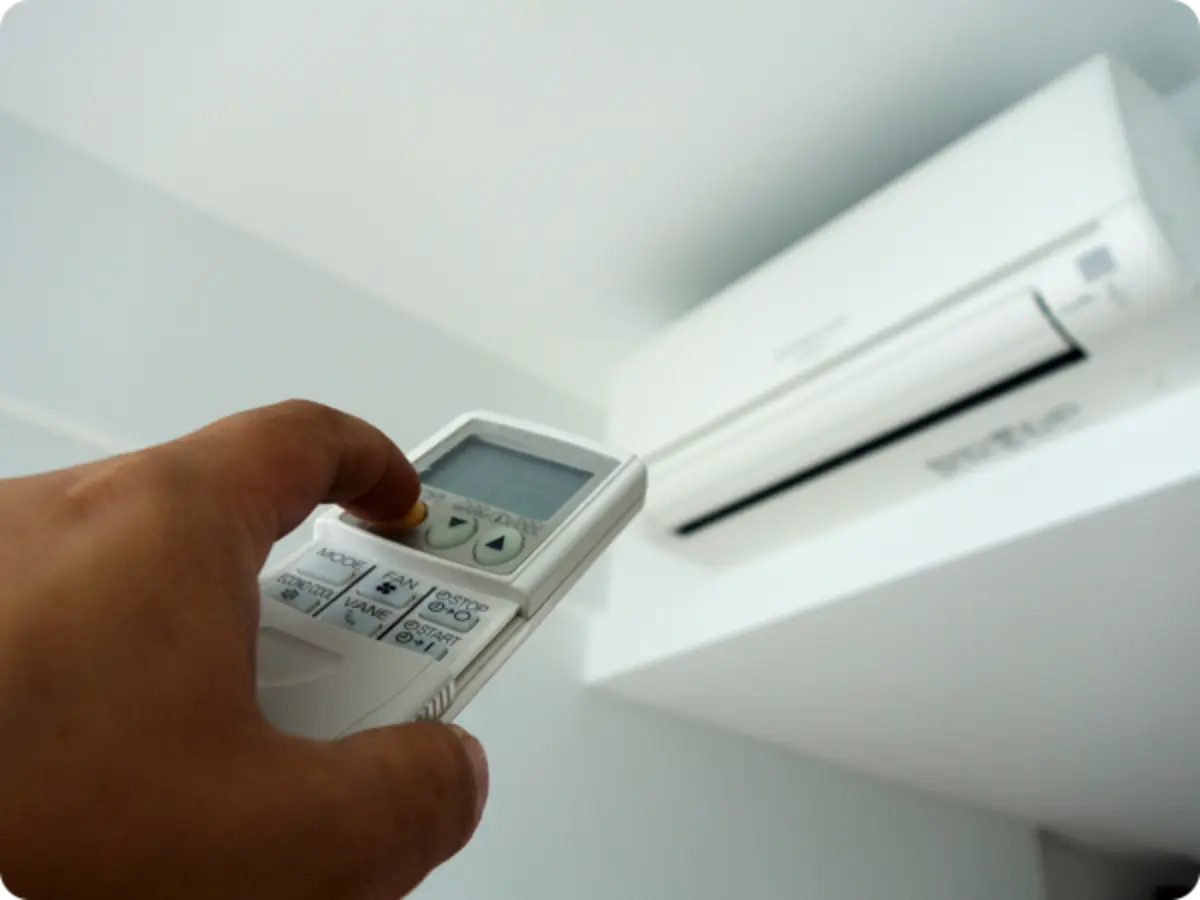
When Should You Prepare Your Heating System for Winter in Austin?
Ideally, you should inspect your heating system (and make any necessary repairs) in the fall. The best window is from mid-October to early November, when the weather is still mild.
This way, you can avoid the unexpected malfunctioning of your heating system once extreme cold hits the city. The freezing season stretches from December 1st to mid-February, based on averages from past decades.
Schedule a Professional HVAC Tune-Up
The first thing you should do is contact an HVAC maintenance professional for a tune-up of your system, whether it uses gas or electricity:
Furnace Maintenance for Gas Systems
A furnace tune-up focuses on safety checks of several components that need to be in tip-top shape to keep your house warm in winter: the combustion, burner, heat exchanger, and carbon monoxide safety measures.
Heat Pump Maintenance for Electric Systems
Professional inspections of an electric system are concerned with the performance of electrical connections, heat strips, and coils found in a heat pump.
Your Pre-Freeze Heating Checklist
The next part you can do on your own once the professional inspection is over. Create a comprehensive pre-freeze heating checklist that involves:
Replace Your Air Filter
Clean or replace your air filters to facilitate smooth airflow.
Forgetting to do that makes your heating system work harder, which might trigger a system collapse or lead to overheating. Best-case scenario? An overworked heating system raises your electricity bills!
Also, dirty filters trap dust, pollen, mold spores, and pet dander, then reintroduce them to the indoor air that you and your family inhale regularly. This could be risky for a person with asthma or other respiratory issues.
Test Your Thermostat and Heating System Before the First Cold Night
Don’t wait until the nights get too chilly that you can’t comfortably stay indoors without turning the heat on. On a regular October or early November night, test your thermostat and operate your heating system to see if it works as it should.
This allows you to detect any problems early on and make repairs without urgency or anxiety.
Clear Space Around Your Outdoor Heat Pump Unit
Make sure your exterior heat pump unit has ample space on all sides so that it can exhaust air efficiently. You need at least 24 inches of free space around your outdoor heat pump unit, with 4 to 5 feet of open vertical space above it.
Check Your Carbon Monoxide Detectors
Test your carbon monoxide detector by pressing and holding the test button for a few seconds. You should hear 4 fast beeps, a pause, then 4 more. If the device lets out an intermittent chirp, you may need to replace the batteries or the entire unit (if it’s near the end of its lifetime).
How Heat Pumps Handle Below-Freezing Temperatures
You should understand what’s normal and what’s not as to how heat pumps perform in below-freezing temperatures. Knowing the early signs of a frozen-up heat pump lets you act fast to prevent permanent damage to the compressor or fan blades.
Normal Defrost Cycles vs. a Heat Pump That Is Freezing Up
Normal defrost cycles are a self-cleaning process that runs automatically every 30 to 90 minutes to clear accumulating frost in 5 to 15 minutes. The outdoor fans stop momentarily, steam exits the unit, and water drips from it.
When done, the fans work again, and warm air can be felt indoors.
However, you can recognize a frozen-up heat pump from a thick layer of hard ice blocking airflow, indicating a malfunction. The ice could be encasing the coils, fan blades, or base pan, and you might hear grinding or buzzing sounds as fan blades hit the ice.
Indoors, you can feel the air turning cold as the system struggles to heat the house.
Emergency Heat vs. Auxiliary Heat: What’s the Difference?
Emergency heat and auxiliary heat are both secondary heating elements, but they work in different scenarios.
Auxiliary heat turns on automatically when the temperatures get too low to give your heat pump a boost until your home is properly warmed.
Emergency heat must be turned on manually by pressing “EM HEAT” or “EMERG” on your thermostat if your heat pump is broken or frozen over. It shuts down the outdoor heat pump compressor completely, using the backup heater.
How to Protect Your Home and Pipes During an Austin Freeze
Follow these steps to protect your home and pipes during an Austin freeze:
- Keep your windows and doors tightly closed.
- Let faucets drip at a trickle to keep water moving through the pipes.
- Disconnect garden hoses from outdoor faucets.
- Open kitchen and bathroom cabinet doors to allow indoor heat to reach the pipes.
- Insulate any exposed pipes in your crawl space, attic, basement, or garage.
- Always know where the main water shut-off valve or street meter box is to turn it off if a pipe bursts.
How to Prepare for a Power Outage During a Freeze
Power outages are a major concern during Austin freezes. In 2023, the city was hit by a big ice storm that caused nearly half of Austin Energy customers to lose power at some point during that week’s freeze.
Plan for a power outage by:
- Gathering an emergency kit consisting of non-perishable foods, a battery-powered or hand-crank weather radio, one gallon of water per person per day, portable power banks, flashlights, and extra batteries.
- Keep your devices charged at all times (as much as possible)
- Set your refrigerator to its coldest setting.
- Close off one room of your house to trap heat inside.
Warning Signs Your Heating System Needs Repair Before Winter
Look for these signs of a malfunctioning heating system to make the necessary repairs before winter:
- Heaters blowing cold air indoors.
- Frozen outside HVAC unit.
- Uneven heating across the rooms.
- Spikes in energy bills.
- Banging, squeaking, or rattling noises coming out of your HVAC system.
- Short cycling.
- A persistent burning, electrical, or musty smell.
- Yellow burner flame in a gas furnace instead of blue (indicates a carbon monoxide problem)
- Signs of rust, leaks, or corrosion on or near pipes.
Is It Time to Replace Your Heating System?
It might be time to fully replace your heating system if you notice:
- Your heating system has outlived its lifespan (typically 10 years).
- You’ve done frequent repairs before due to multiple breakdowns.
- Your bills are skyrocketing.
- Your home faces humidity problems that require in-depth repairs.
- Your HVAC system is too noisy or emitting strange, overpowering odors.
Get Your Heating System Ready for Austin’s Next Freeze
Worried about your heating system’s performance during Austin’s next freeze? It may be time to schedule a professional inspection of your HVAC system by contacting Eco Air, an Austin-based heating and AC solutions provider.
From heat pump repairs to heating maintenance and full heating system installation, we cover a broad range of services to prepare Austin residents for the freezing season.
Get in touch now if you’ve noticed any signs of a malfunctioning heating system, before the cold hits!
FAQs
At What Temperature Do Pipes Freeze in Austin?
Water freezes in pipes at an outdoor temperature of 32°F (0°C).
Yet, Austin’s southern-style slab-foundation homes make water pipes more likely to burst if temperatures stay at or below 20°F to 28°F for several days in a row.
Most house designs in Austin don’t account for freezing weather, positioning water pipes in vulnerable locations, like attics.
Should I Use Emergency Heat During a Freeze?
No, you shouldn’t immediately use emergency heat if a freeze occurs. Only switch it on if your outdoor heat pump has frozen up, broken down, or is unable to properly warm your home. Then, contact an HVAC technician so they can conduct the necessary repairs.
Why Is My Heat Pump Freezing Up in Winter?
A frozen-up heat pump in winter happens when a thick ice block encases the unit, fans, or coils, preventing them from performing as they should. This usually happens due to:
- Motor or fan failure.
- Restricted airflow (dirty filters, blocked outdoor vents, debris surrounding the unit, etc.).
- Low refrigerant levels.
- Faulty defrost cycles.
- Leaky gutters dropping water or snow on the unit, which then freezes in a thick layer at low temperatures.
What Should I Do if My Heating System Stops Working During a Freeze?
Follow some troubleshooting tips such as setting the thermostat to a higher temperature or checking if a breaker has tripped. Replace dirty air filters on the unit and switch its safety shutdown on.
Check outdoor vents and clear away any debris, snow, or ice that could be blocking the exhausts.
Conserve heat by gathering your family in a closed room and using electric space heaters (don’t use heat from flames for safety). Contact a professional to inspect and repair your heating system.