Rising electricity demand from data centers, including those used for AI, has become one of many factors increasing demand for power alongside population growth, electrification, and economic activity. According to a study at Southern New Hampshire University, the environmental impact and complex carbon footprint of AI are mainly due to the energy consumption of its data centers, which results in increased greenhouse gas emissions.
Locations that already have a hot climate, such as Austin in Texas, are experiencing increasingly scorching weather. Hotter summers often lead homeowners to rely more heavily on air conditioning. effectively increasing their summer bills as well.
Let’s take a deep dive into how you can upgrade to an efficient AC system that can help lower your summer bill based on the Austin Energy rebates and the Electric Reliability Council of Texas (ERCOT) grid strain.
The Growing Focus on Energy Efficiency in Austin Homes
Austin Energy has consistently been making efforts in the efficient use of energy in Austin homes throughout history. With some of their energy efficiency programs dating back from 1982 to 2006, they’ve been focused on offsetting the need to build a 700-megawatt power plant.
Come 2007, they set their sights on a new mission called the Austin Climate Protection Plan, which aimed to offset another 800 megawatts of peak energy by 2020. While deemed ambitious back then, their aggressive efforts to improve energy efficiency and ultimately reduce greenhouse gas emissions were largely successful.
By 2020, the program evolved into Austin Energy’s Resource, Generation, and Climate Protection Program to 2020. Some of the program’s notable successes by 2020 include:
- 63% carbon-free electricity for its customers
- Carbon neutrality for municipal operations (as evaluated by the American Council for an Energy-Efficient Economy or ACEEE)
- Successfully offsetting the need for new major power plants
- Overall recognition as a role model for local climate action
However, there were still some community-wide emission targets unmet despite the undeniable success. And in response, Austin Energy aims to achieve a net-zero community-wide goal by 2040, as well as a 100% carbon-free generation by 2035.
Austin Energy Rebate Programs
As of 2026, Austin Energy continues to administer rebate and incentive programs that primarily focus on energy efficiency and its residential customers in various categories. The eligibility for these programs depends on the inclusions and the specific program, but the following factors mostly identify them:
- Income level
- Efficiency ratings (Seasonal Energy Efficiency Ratio 2 or SEER2)
- Homeownership
- Contractor requirements
Applying for the rebate programs requires a pre-approval or the use of participating contractors, such as Abacus Plumbing, Air Conditioning & Electrical, Airco, Conservation Services, and 1st Choice Energy. From your home’s overall energy efficiency to certain transportation, Austin Energy aims to improve sustainable living through the use of technology.
Some of the most notable programs include:
- Air conditioning rebates
- Heat pump water heaters
- Smart thermostats (power partner)
- Pool pumps
- Discounted efficient products (LEDs, appliances, etc.)
- Residential solar rebate
- Electric Ride or E-Ride rebates (e-bikes, motorcycles, mopeds, scooters, etc.)
Heat Pump Rebate Program
If you’re considering installing a new water heater, Austin Energy offers an $800 rebate if you invest in one of their qualifying ENERGY STAR certified hybrid/heat pump water heaters. Heat pump water heaters are known for efficiently transferring heat instead of generating it, significantly reducing electricity consumption and making them better than your traditional water heaters.
Other than the $800 rebate program, the use of these ENERGY STAR certified heat pump water heaters that helps save you up to $350 worth of estimated energy savings per year. This could be the smartest investment you could take advantage of if you want a long-lasting water heater that’ll pay you back the difference in roughly three years.
You can find more about the different heat pump water heaters ENERGY STAR offers here if you wish to start saving today.
AC Rebate Program
If you’re living in Austin and need a new and energy-efficient air conditioner, you might as well hire one of Austin Energy’s participating contractors to install a qualifying air conditioning system in your home. Doing so will make you eligible for an average of an $800 Austin Energy AC rebate.
On top of that, you can further increase your savings by participating in their Home Energy Savings program, effectively maximizing your investment. By taking part in the Home Energy Savings program within six months after you’ve received your air conditioner rebate, you could gain an additional $200 rebate.
To get started, you can reach out to one of Austin Energy’s participating contractors, or take the Home Energy Quiz to check if you’re eligible for a free in-home energy assessment.
With the help of Austin Energy’s participating contractors, you’ll be able to decide the appropriate equipment for your energy-efficient home. The contractors can help with the following:
- Free in-home energy assessment
- Discuss the condition of your energy-efficient home with you
- Suggest improvements
- Provide estimates for recommended work
- Aid in anything you might need for the rebate/loan application process
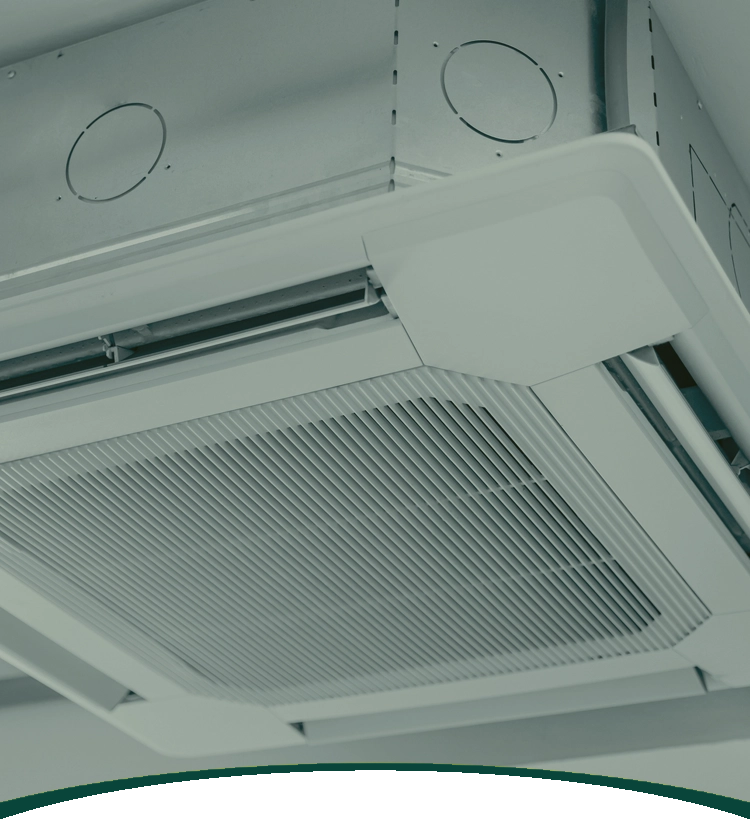
How Austin Energy Rebates Help Homeowners Lower Costs
The whole concept around the Austin Energy rebate programs already helps lighten the load by providing a transparent amount of rebates. As long as you’re eligible or hire qualified contractors, you can easily take advantage of the long-term sustainable benefits Austin Energy aims to provide.
Here’s an extensive list of the qualifying upgrades and their estimated rebates:
- Air conditioning and heat pumps: Around $800
- Heat pump water heaters: $800 for ENERGY STAR certified models
- Smart thermostats: $50 rebate with an additional ongoing bill credit through the Power Partner program
- Pool pumps: Around $300
- Whole-home improvements through the Home Energy Savings program: Averaging at around $1,500 to $3,000
On top of the direct rebates, you’ll also have access to lower monthly electricity bills, thanks to the high-efficiency equipment and systems, as well as the 0% interest loans for qualified whole-home projects. Widespread adoption of efficient equipment can reduce overall electricity demand during peak periods, especially in the summer season for Texas when the peak usage hours of electricity usually occur.
What Makes an Air Conditioning System More Energy Efficient?
Efficiency factors usually start with a model that is ENERGY STAR certified, has lower-global-warming-potential refrigerants such as R-32 or R-454B, and is regularly maintained by cleaning its filters, coils, and undergoing tune-ups as needed to keep its efficiency high.
On the technical side, you’d have to consider the following factors:
- Smart controls and sensors (optimize running time)
- Inverter technology (smoother power delivery)
- Variable speed compressors (help adjust output gradually)
- Advanced heat exchangers and coils
- Two-stage compressors
You can also check out models with an SEER2, EER2, and Heating Seasonal Performance Factor 2 or HSPF2 rating. The general rule of thumb here is that every point increase in the SEER2 rating can help reduce cooling costs by roughly 5% to 7%.
Comparing Older HVAC Systems to Today’s Energy Efficient Models
The difference between older HVAC systems and today’s newer energy-efficient models is night and day. Usually, the only main advantage an older HVAC system can have is the upfront price; then again, energy-efficient models make up for it through rebates and long-term sustainability.
Older HAVCs are limited in terms of features through the following aspects:
- SEER rating of 8 to 13
- High energy consumption
- Single-stage compressor
- High electricity usage
- Poor humidity control
On the other hand, newer models that are energy-efficient excel in:
- SEER2 rating of 15 to 20 or higher
- 30 to 50% less electricity consumption for the same cooling effect
- Two-stage compressors or variable speed
- 20 to 40% reduced cooling costs
- Efficiently removing moisture
Understanding ERCOT Grid Strain and What It Means for Homeowners
ERCOT is responsible for managing the power grid of the majority of Texas, including Austin. When we talk about grid strain, we’re referring to the specific periods when electricity demand increases at an alarming rate to the point that it can almost exceed the maximum supply the grid can provide.
These periods often occur during extreme summer heat, when air conditioning systems are running at full capacity in almost every home. The worst-case scenarios for exceeding the power supply a grid can provide include:
- Widespread blackouts
- Cascading failures
- Overloading of transformers, power lines, and generators
Why Peak Demand Days Put Pressure on the Texas Grid
Simply put, peak demand days call for higher electrical consumption, especially in the case of older AC and heat pump systems. In turn, providing energy for these older models causes a severe strain on the grid and ultimately endangers the entire state’s electrical power.
How Energy Efficient Upgrades Help Reduce Energy Usage
Energy-efficient upgrades, such as the certified AC and heat pump systems of Austin Energy and ENERGY STAR, reduce the need for the Texas grid to exert more power. The advanced technology these newer models have is proven effective at lowering electricity consumption and overall costs.
When Is the Right Time to Upgrade Your Air Conditioning Before Summer?
If you need to upgrade your air conditioning before the summer season, it’s best to do it during mild weather when there’s a lower demand and better pricing. This time period usually occurs between February and early April.
You can also go for the off-season of fall and winter, which could also give excellent price ranges, but you could miss out on immediate summer savings.
FAQs
Does Austin Energy Offer Rebates for New Air Conditioning Systems?
Yes, Austin Energy actively provides incentives and offers rebates for new and qualified air conditioning systems. You just need to watch out for the SEER2 or EER2 efficiency ratings, and they must be installed by the participating contractors of Austin Energy.
What Energy Efficient HVAC Equipment Qualifies for Incentives?
The incentive qualification for HVAC equipment highly depends on their efficiency ratings, ENERGY STAR certification, and installation requirements.
For ratings, you’d be safe if the model meets a SEER2 efficiency rating of 15.2 and higher (with higher tiers providing bigger rebates). Installation must also be done by Austin Energy’s participating contractors.
How Much Energy Savings Can a New System Deliver?
Higher SEER2 models can give an estimated cooling cost savings of 30% (minimum) to around 50% (maximum) at roughly 3 to 7-year payback period with rebates.
On average, many homeowners who use these HVAC models get around $150 to $400 or higher monthly savings. Depending on the home size, this can reach up to $1000+ annually.
Will a High-Efficiency System Help During ERCOT Peak Demand Events?
Yes, a highly energy-efficient system is very ERCOT grid-strain-friendly. Since we’re already anticipating a spike in usage during peak demand events, reduced electricity consumption and efficient use of energy will ultimately reduce the risk of a grid strain.